The 3rd International Communication Days (BAİBÜİLEF-İG 2026) symposium , organized this year by our university's Faculty of Communication, has begun. This important three-day event, themed "From Alphabet to Algorithm: New Horizons in Global Communication," will examine the transformation of communication from the past to the present from an interdisciplinary perspective.
The symposium aims to build a productive, critical, and high-quality discussion platform that will analyze global communication paradigms for 2026 and beyond by blending the traditional with the digital, and theory with practice.
The opening program of the symposium, held in the Bordeaux Hall of the Congress Center, began with a moment of silence and the recitation of the Turkish National Anthem. The program was attended by Bolu Deputy Governor Hakkı Uzun, Vice Rector Prof. Dr. Ferudun Kaya, Dean of the Faculty of Communication and Symposium Organizing Committee Chairman Prof. Dr. Emre Tandırlı, invited speakers who came to our university to deliver keynote presentations: Prof. Dr. Thomas Bauer from the Faculty of Communication at the University of Vienna, Rector of Gaziantep Hasan Kalyoncu University Prof. Dr. Rengin Küçükerdoğan (online participation), and Prof. Dr. Suat Gezgin from the Faculty of Communication at Yeditepe University, as well as international scientists, academic and administrative staff, and students.
A promotional film titled “BAİBÜİLEF-İG 2026: From Dream to Success Story,” which described the symposium preparation process and activities, was shown.
Dean Tandırlı: “We are hosting 105 scientists from 8 countries and 37 different universities.”
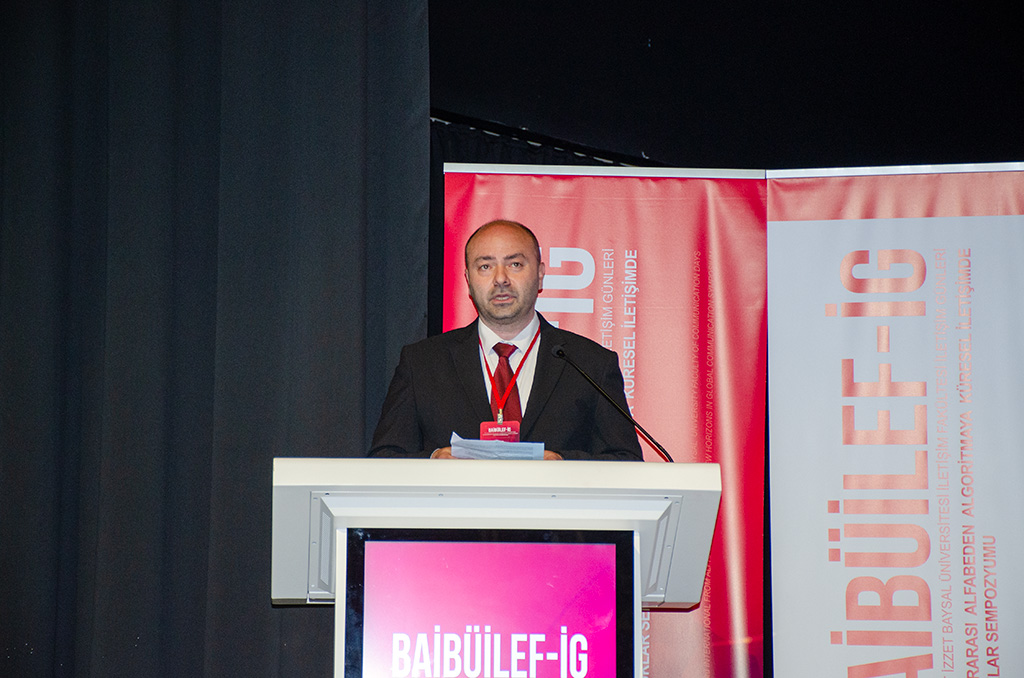
The opening speech of the symposium was given by the Dean of the Faculty of Communication and the Chairman of the Symposium Organizing Committee, Prof. Dr. Emre Tandırlı. Providing information about the content of the symposium, Tandırlı summarized: “We are hosting 105 scientists at the symposium, which will be held between May 13-15, 2026. Hundreds of applications were received, and as a result of the jury evaluation, 105 papers were accepted. We are proud to host invited speakers and scientists from 37 different universities in Türkiye, as well as Austria, Georgia, Azerbaijan, Jordan, Uzbekistan, Turkmenistan, and Nigeria. This year, in the symposium themed 'From Alphabet to Algorithm: New Horizons in Global Communication,' we have brought together scientists not only from the field of communication but also from many different disciplines such as linguistics, literature, engineering, software, and design.” He also thanked those who contributed to the symposium.
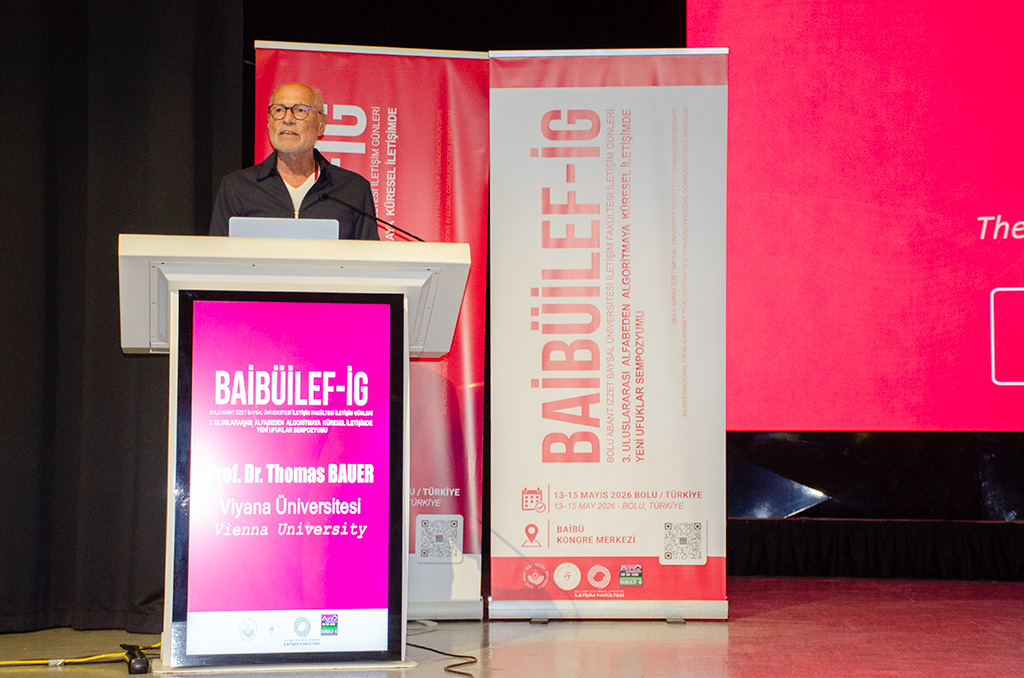
The first presentation was given by Prof. Dr. Thomas Bauer.
The opening session, titled “Digital Intelligence, Cultural Codes and Algorithmic Power: The New Paradigm of Global Communication,” was held. The first presentation was given by invited speaker Prof. Dr. Thomas Bauer, a faculty member at the Communication Faculty of the University of Vienna. Bauer's presentation focused on the need to reflect on the communicative and social role of media and to generate scientific solutions by evaluating the increasing levels of digitalization, virtualization, and algorithms in the sector on a solid foundation.
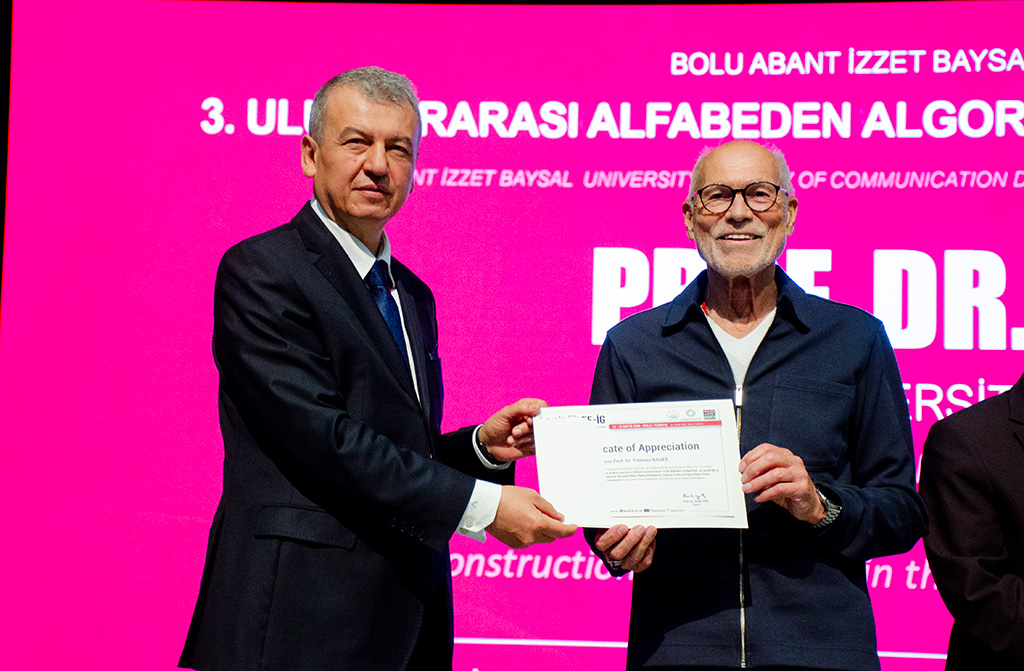
A gift was presented to Prof. Dr. Thomas Bauer.
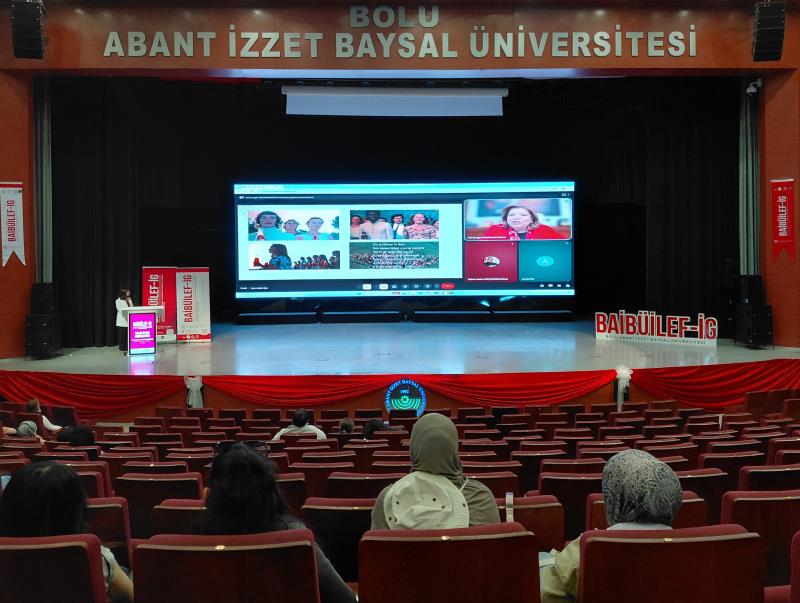
Prof. Dr. Küçükerdoğan explained the algorithmic consumer.
Gaziantep Hasan Kalyoncu University Rector Prof. Dr. Rengin Küçükerdoğan, who participated in the symposium online, gave a presentation on "Algorithmic Consumer: Data, Artificial Intelligence and Next-Generation Brand Communication." She stated that algorithmic consumers are individuals whose choices, likes, searches, views, clicks, and purchases on digital platforms are analyzed by algorithms, and whose consumption behavior is then shaped through suggestions, advertisements, rankings, and personalized content provided by these algorithms.
"We are the algorithmic digital age consumers for brands."
Professor Dr. Küçükerdoğan emphasized that most of us are algorithmic digital age consumers for brands, explaining in detail how every click, viewing time, like, and location information—the digital footprints, or data, recorded by platforms—are analyzed by artificial intelligence and algorithms to predict consumer interests, preferences, and potential behaviors. Based on these analyses, algorithmic systems determine which content, advertisements, and products will be presented to the consumer. He also discussed the advantages and disadvantages of this approach.
Prof. Dr. Gezgin: "The shared agenda that journalism has undertaken for many years is eroding."
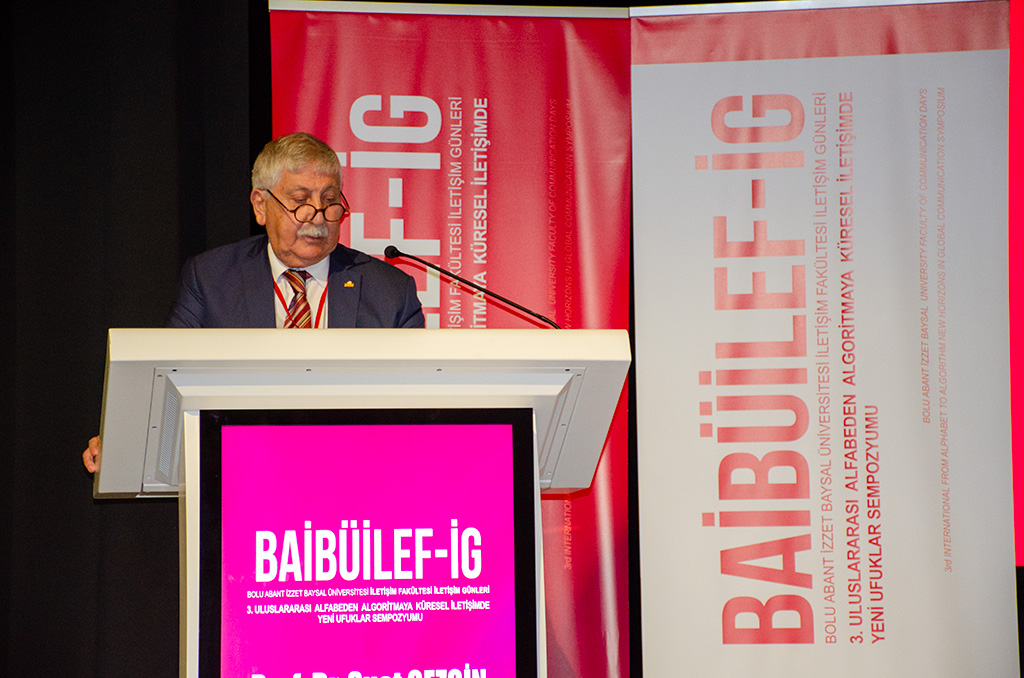
Professor Dr. Suat Gezgin, a faculty member at Yeditepe University's Faculty of Communication, gave a presentation on "From Digitalization to Algorithmic Media: The Future of Journalism and Communication Education." Professor Dr. Gezgin emphasized that journalism is a profession of public accountability. In summary, Gezgin states, “Thirty years ago, a reader could open the morning newspaper and within minutes find out which events were featured on the front pages of all the country's newspapers. Today, if we put two people's phones side-by-side, we might find almost no common headlines in their social media feeds. Two citizens living in the same city may be living in two completely different worlds. This means that the shared agenda that journalism has undertaken for so many years is eroding. So, can we say that the profession of journalism is slowly dying out? And who constructs reality? Is reality still being constructed by journalists, or is it being reshaped by algorithms? These questions are not only a professional debate, but also a deep philosophical and ethical issue. The media's construction of reality is not a new issue. What is new is the speed, scale, and the fact that the construction process is largely human-made. Today, each of us seems to be born into a reality different from everyone else. Filter bubbles, echo chambers, personalized feeds… In the past, people could have different opinions, but the facts were shared. Today, even facts are subject to negotiation. This is not only an information crisis, but also a crisis of co-existence. Democratic..." "The existence of a society depends on its ability to negotiate disagreements on a common ground shared by its youth. When that ground becomes unstable, the possibility of negotiation unfortunately disappears," he said.
The qualities that today's communicators should possess were explained.
Prof. Dr. Gezgin discussed the advantages and disadvantages of artificial intelligence in the journalism profession, stating: “Communication education can no longer be limited to writing, storytelling, content creation, and skills alone. These are, of course, indispensable. However, today's communicators must be individuals who can understand algorithmic systems at a conceptual level, possess data literacy, analyze platform dynamics, critically evaluate artificial intelligence applications, and internalize ethical principles in their profession.”
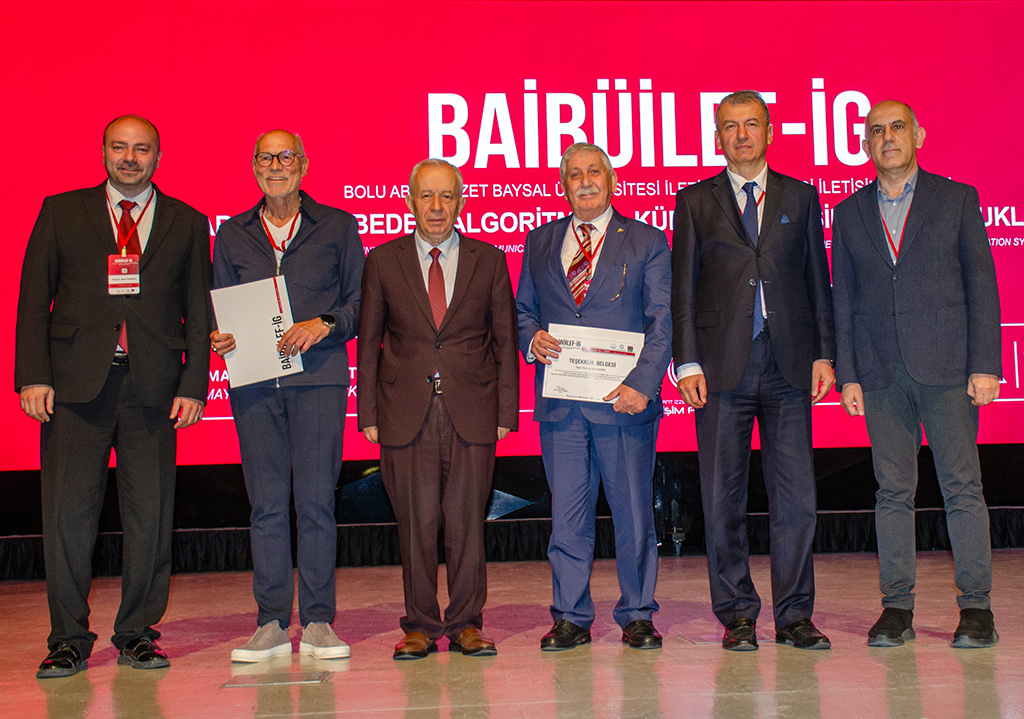
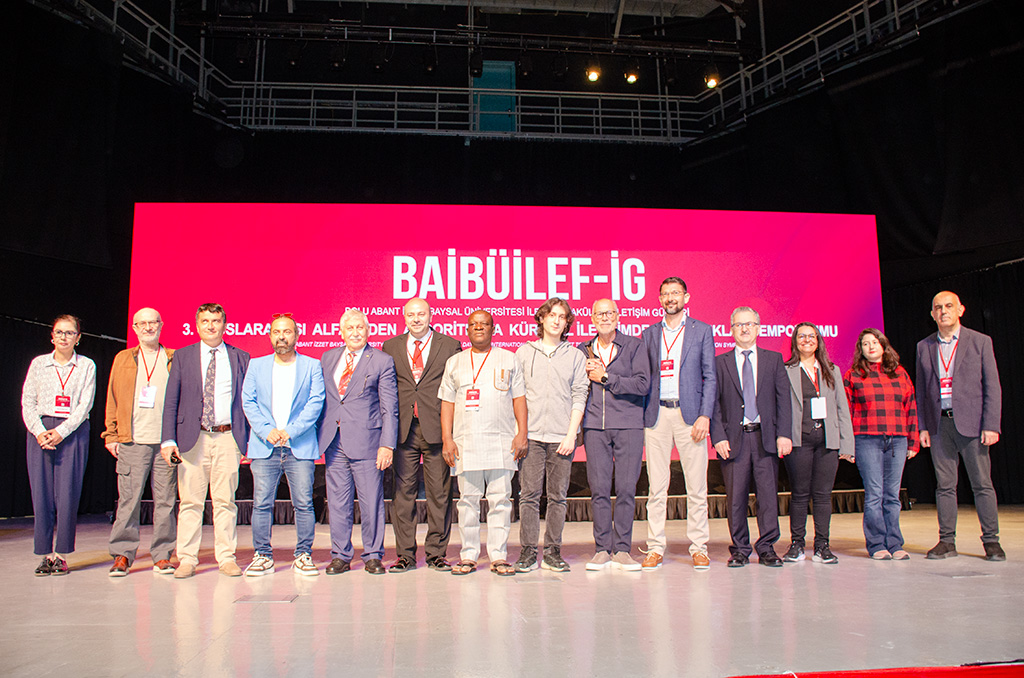
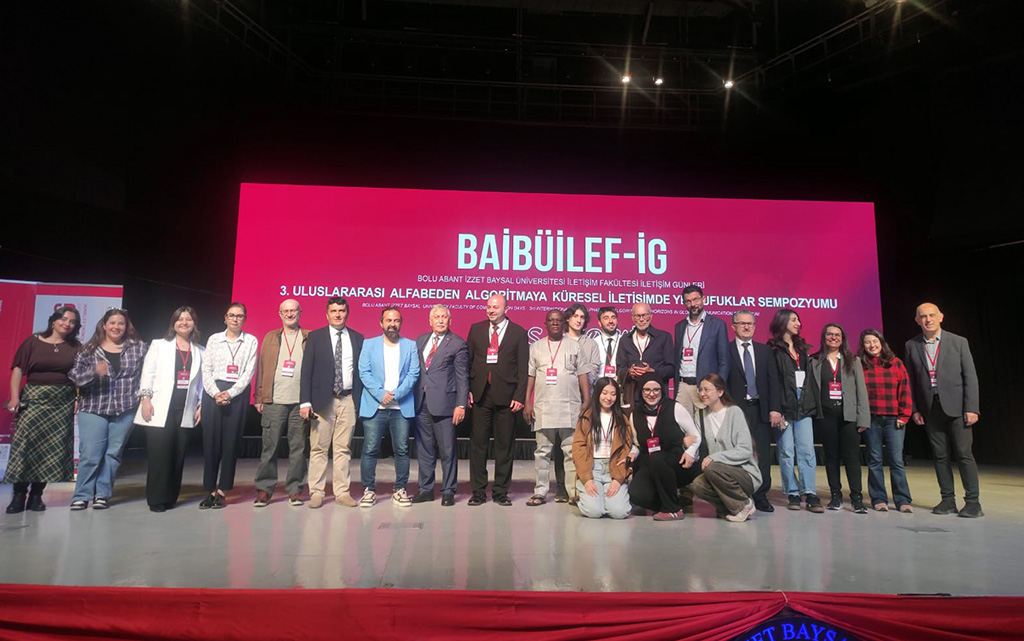
A gift was presented to Prof. Dr. Suat Gezgin. After a group photo session, the opening program ended and the sessions began.