02 Haziran 2026 Salı
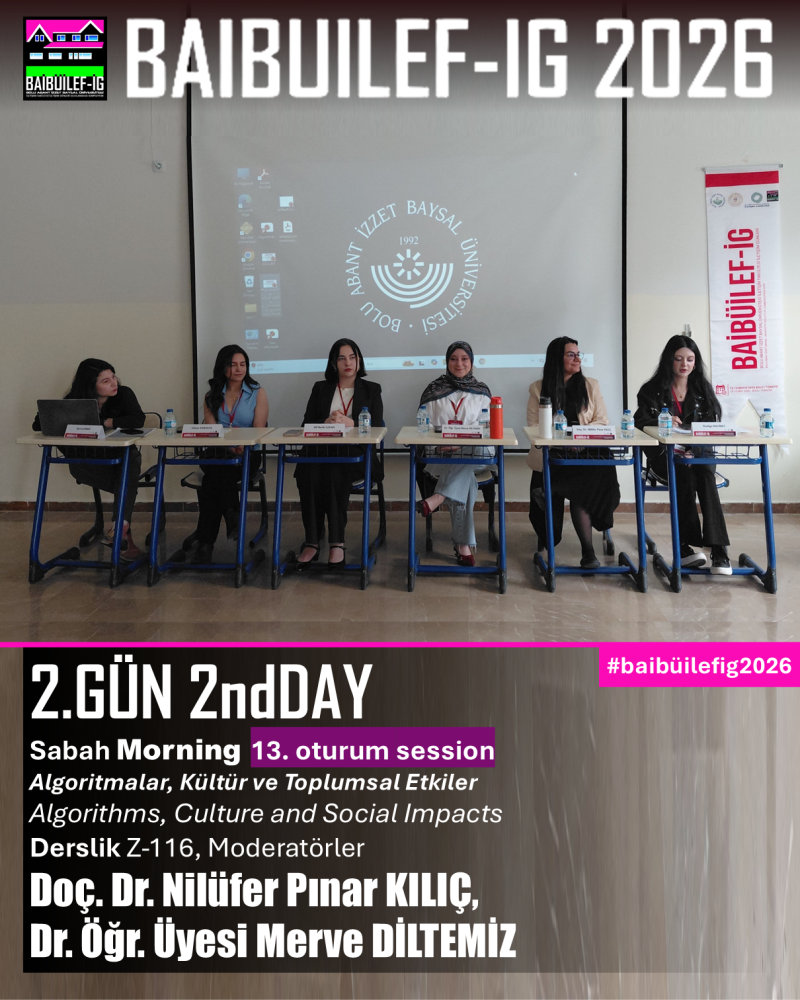
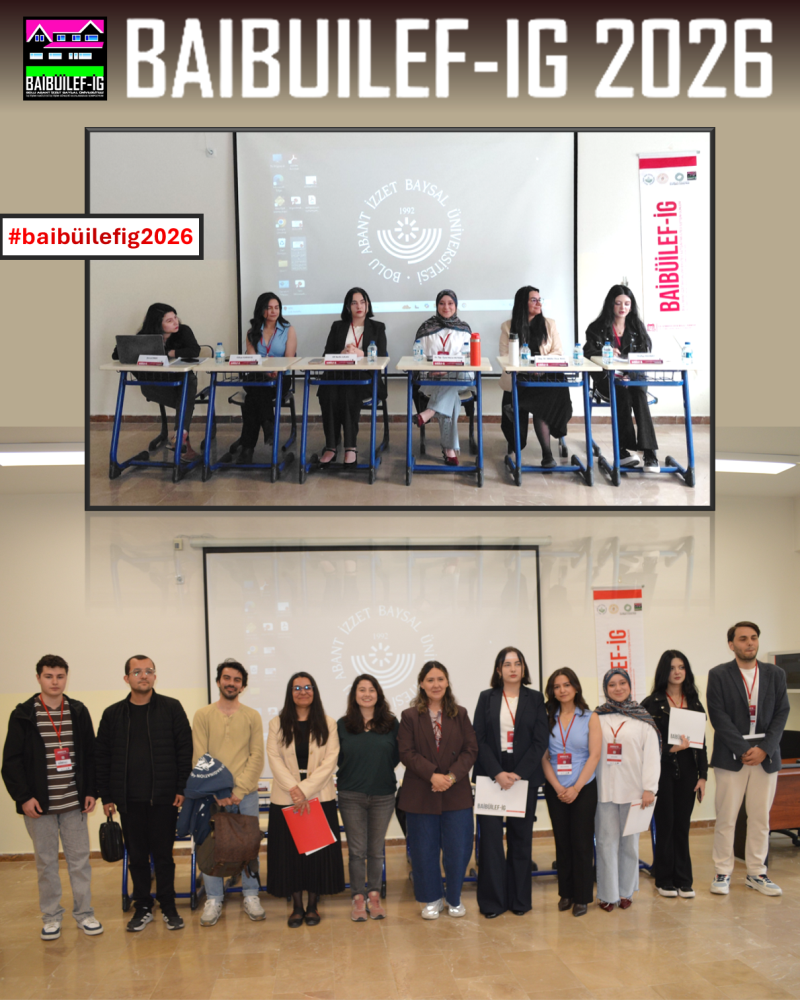
On the second day of the “3rd International BAIBUILEF-IG” event organized by Bolu Abant İzzet Baysal University, the session on “Algorithms, Culture and Social Impacts” was held in the Faculty of Communication. The session, which began at 10:00 AM in classroom 116, was moderated by Dr. Merve Diltemiz and Assoc. Prof. Dr. Nilüfer Pınar Kılıç.
News: Yağmur Vatansever
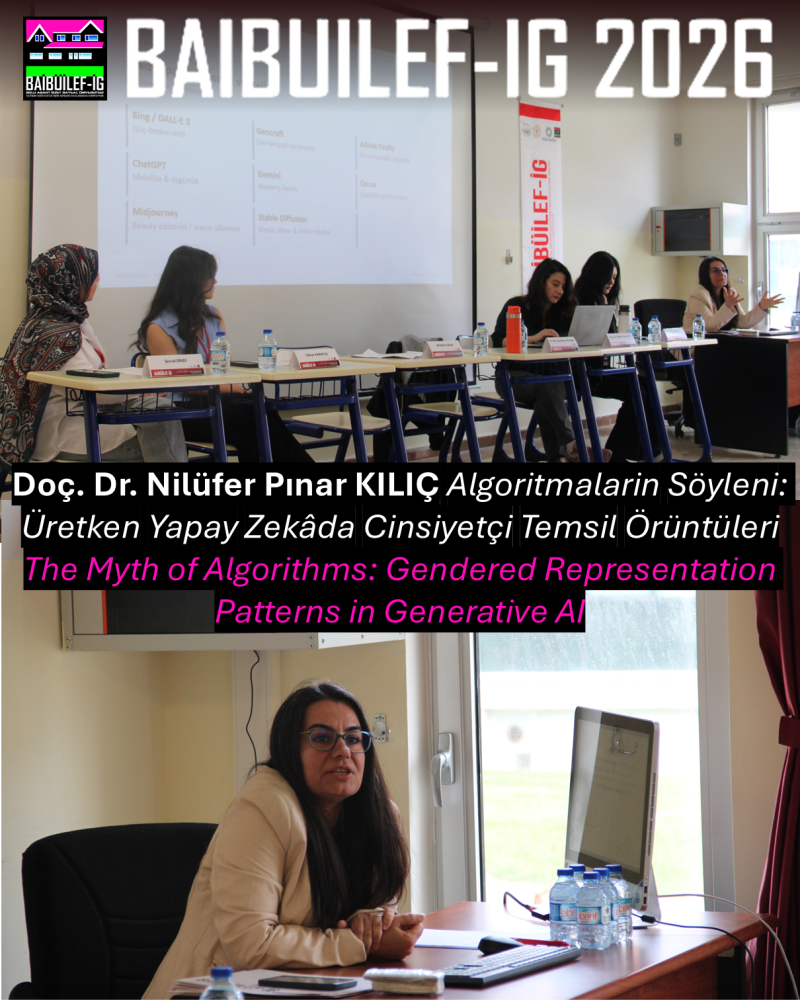
The first speaker, Nilüfer Pınar Kılıç, presented her paper titled “The Discourse of Algorithms: Gendered Representation Patterns in Generative Artificial Intelligence.” The presentation examined the outputs of different artificial intelligence tools based on neutral requests, addressing algorithmic myth variations and the new subject role of artificial intelligence in ideological meaning production.
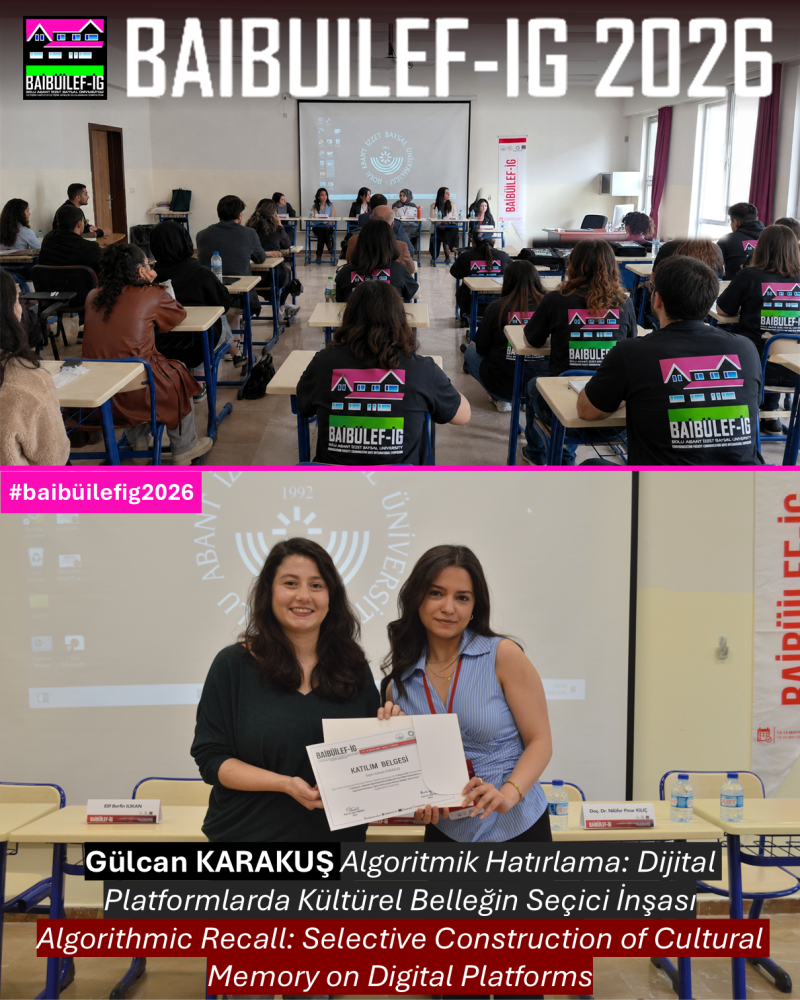
The second speaker, Gülcan Karakuş, shared her work titled “Algorithmic Remembering: Selective Construction of Cultural Memory on Digital Platforms.” Karakuş, presenting the analysis and findings of her research conducted with eight users, offered assessments on how digital platforms shape cultural memory.
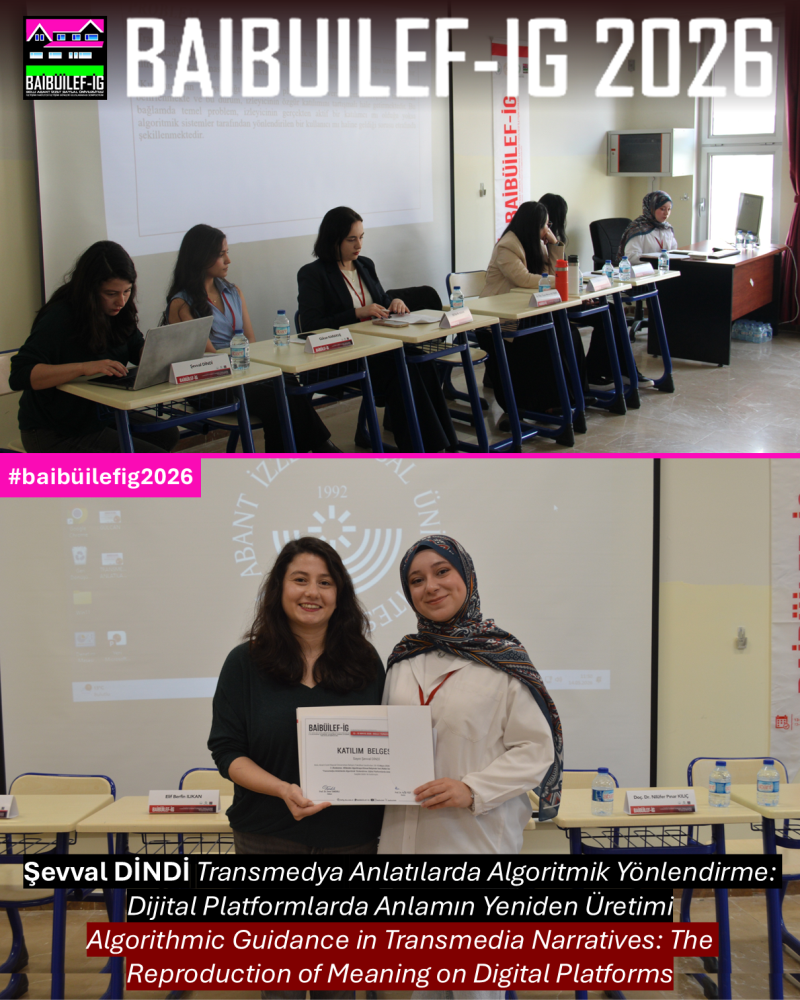
Next, Şevval Dindi presented her paper titled “Algorithmic Guidance in Transmedia Narratives: The Reproduction of Meaning on Digital Platforms.” The presentation focused on the concept of transmedia, the role of users in narrative processes, the transformation of production processes, and the effects of echo chambers formed on digital platforms.
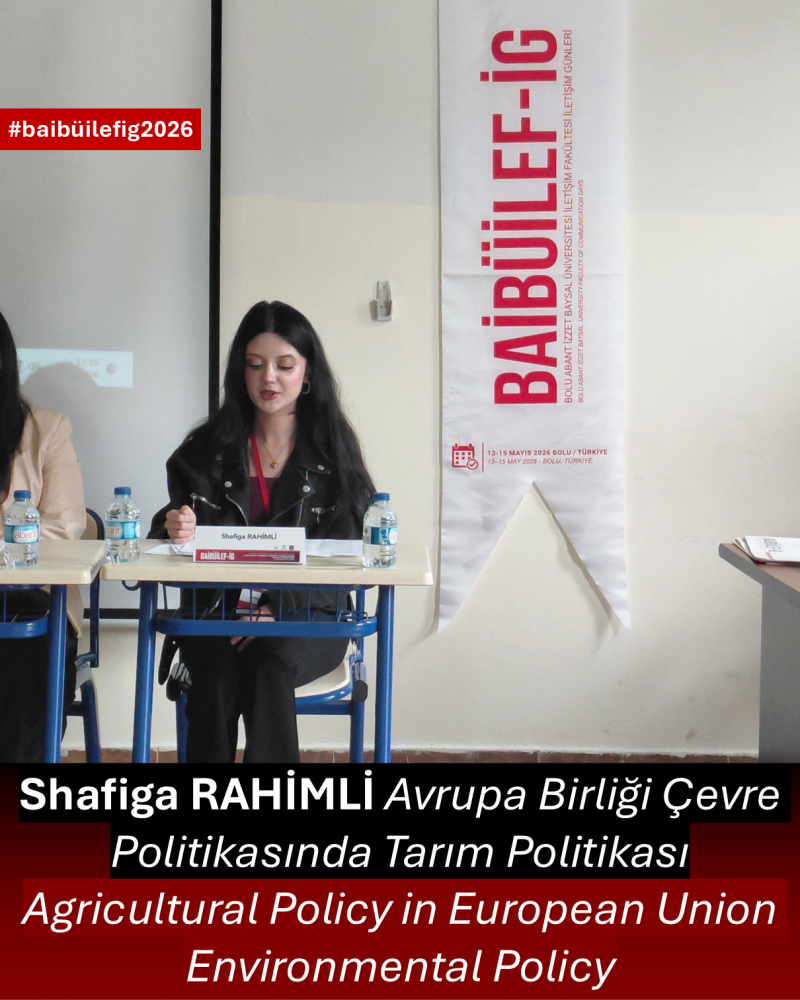
The fourth speaker of the session was Shafiga Rahimli. In her presentation titled “Agricultural Policy in European Union Environmental Policy,” Rahimli evaluated the relationship between environmental and agricultural policies within a historical context, drawing attention to the issue of environmental sustainability. The global importance of European Union environmental policies and criticisms of agricultural policies were discussed.
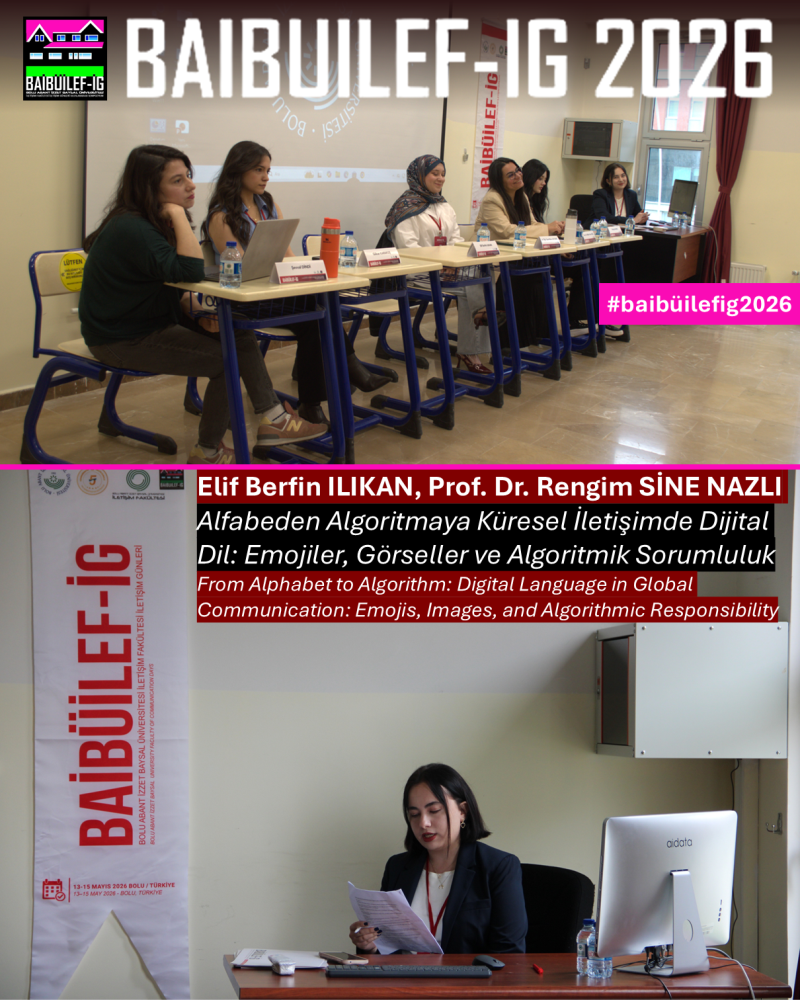
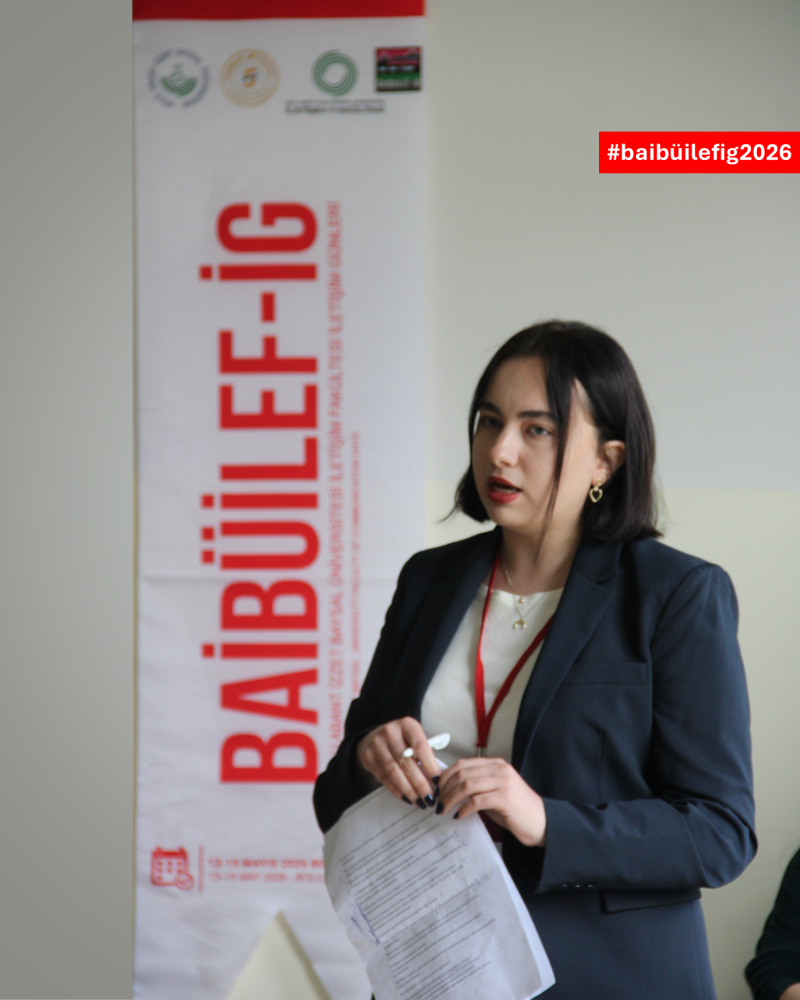
Finally, Rengim Sine Nazlı and Elif Berfin Ilıkan presented their paper titled “Digital Language in Global Communication from Alphabet to Algorithm: Emojis, Visuals and Algorithmic Responsibility.” The presentation examined the transition from alphabet-based written communication to algorithm-based digital language, evaluating the role of emojis and images in digital communication. The presentation, which also shared the results of an analysis conducted with participants, discussed the effects of emojis on social media use, social context, interaction, and algorithmic visibility.
The session concluded after the presentation of the document.