02 Haziran 2026 Salı
The "BAİBÜİLEF-İG: 3rd International Symposium on New Horizons in Global Communication from Alphabet to Algorithm," organized by the Faculty of Communication at Bolu Abant İzzet Baysal University (BAİBÜ), continues to bring together the academic world between May 13-15.
News – Öznur Yılmaz
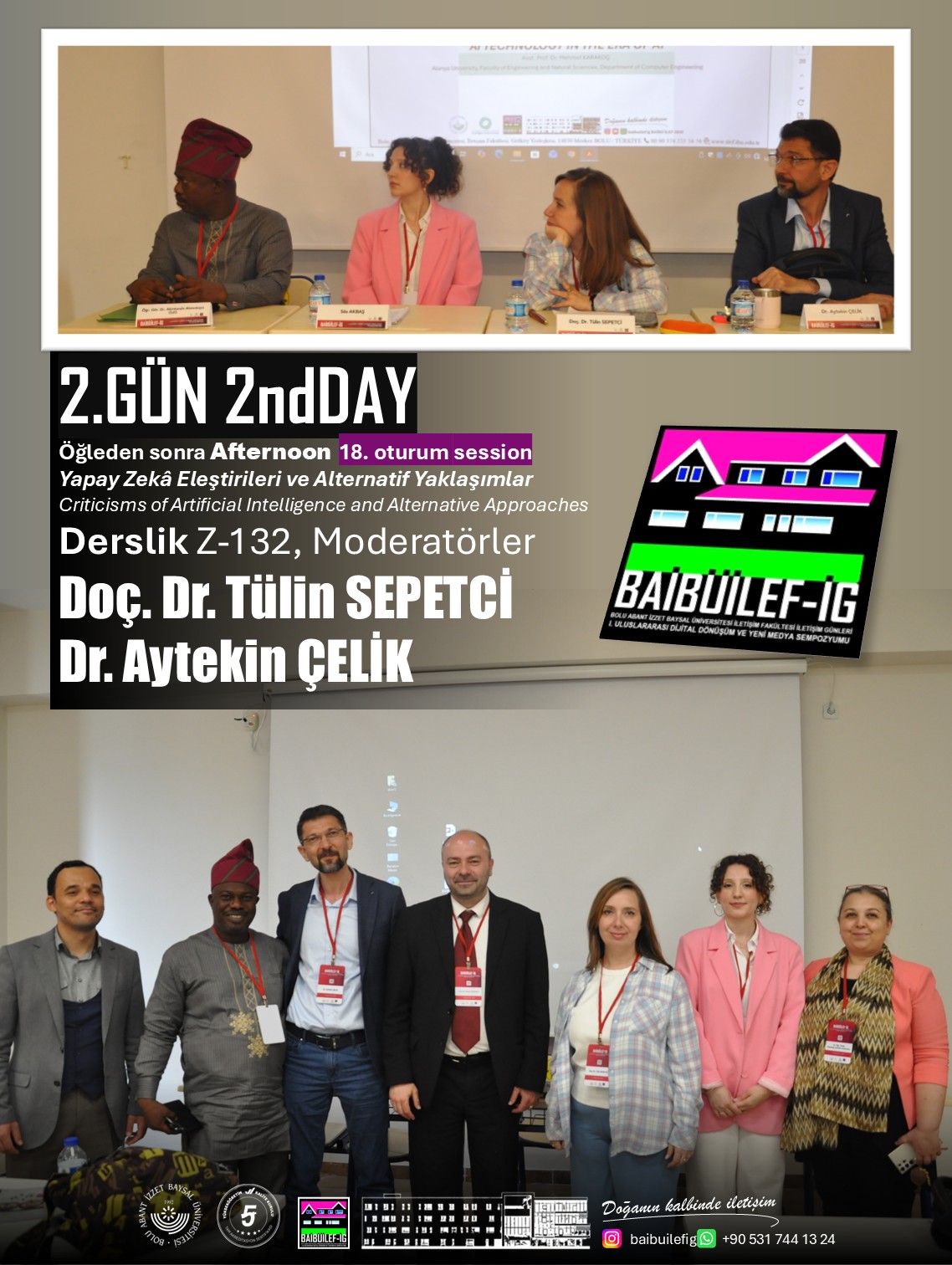
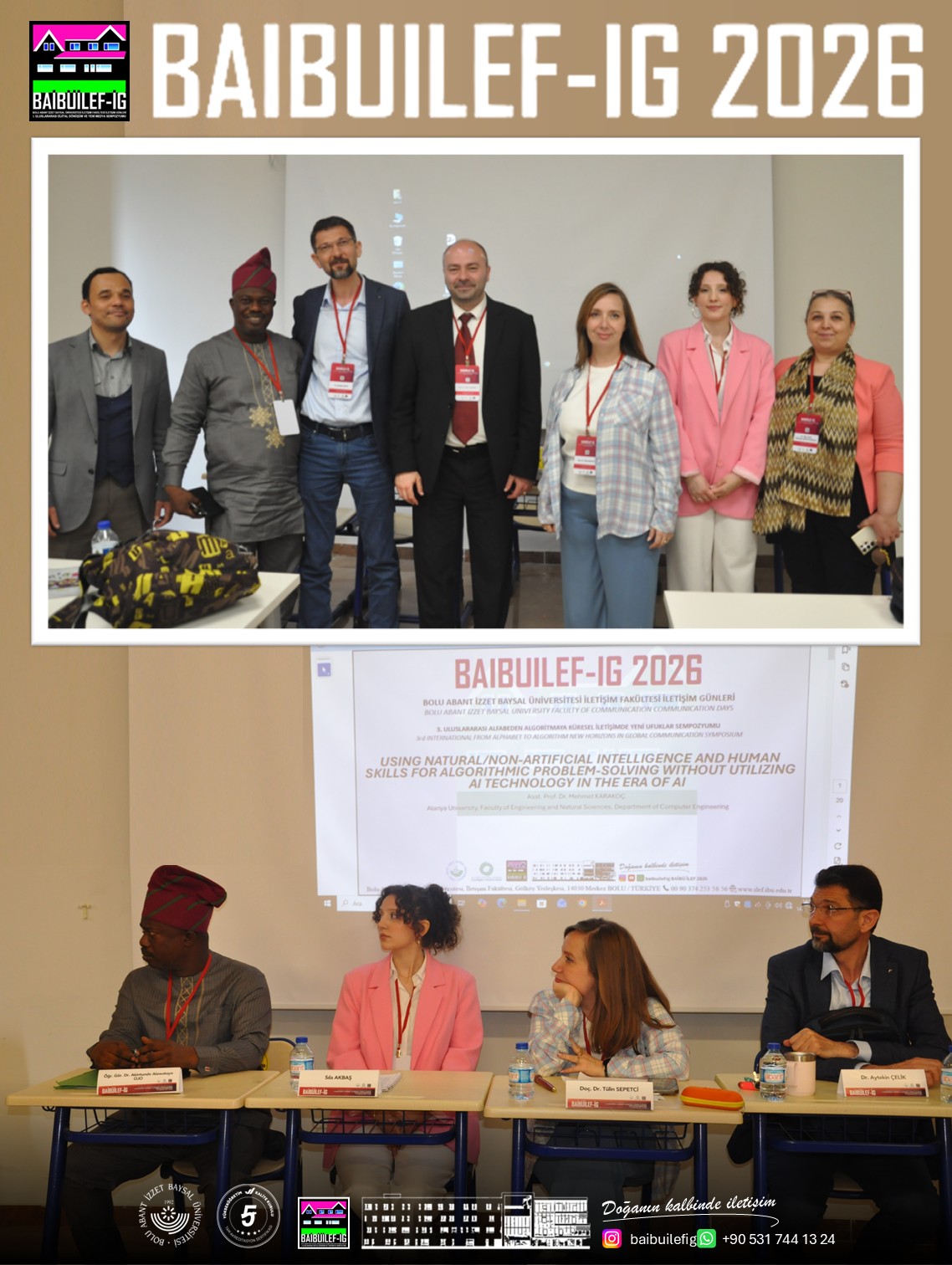
In today's sessions of the symposium, artificial intelligence technologies, one of the most debated topics of our time, were examined from a critical perspective. The session titled "Criticisms of Artificial Intelligence and Alternative Approaches," held in room Z-132, was completed with a large participation under the moderation of Assoc. Prof. Dr. Tülin Sepetçi and Dr. Aytekin Çelik. In the session, academics presented their findings on a wide range of topics, from the ideological dimensions of artificial intelligence to its cultural impacts.
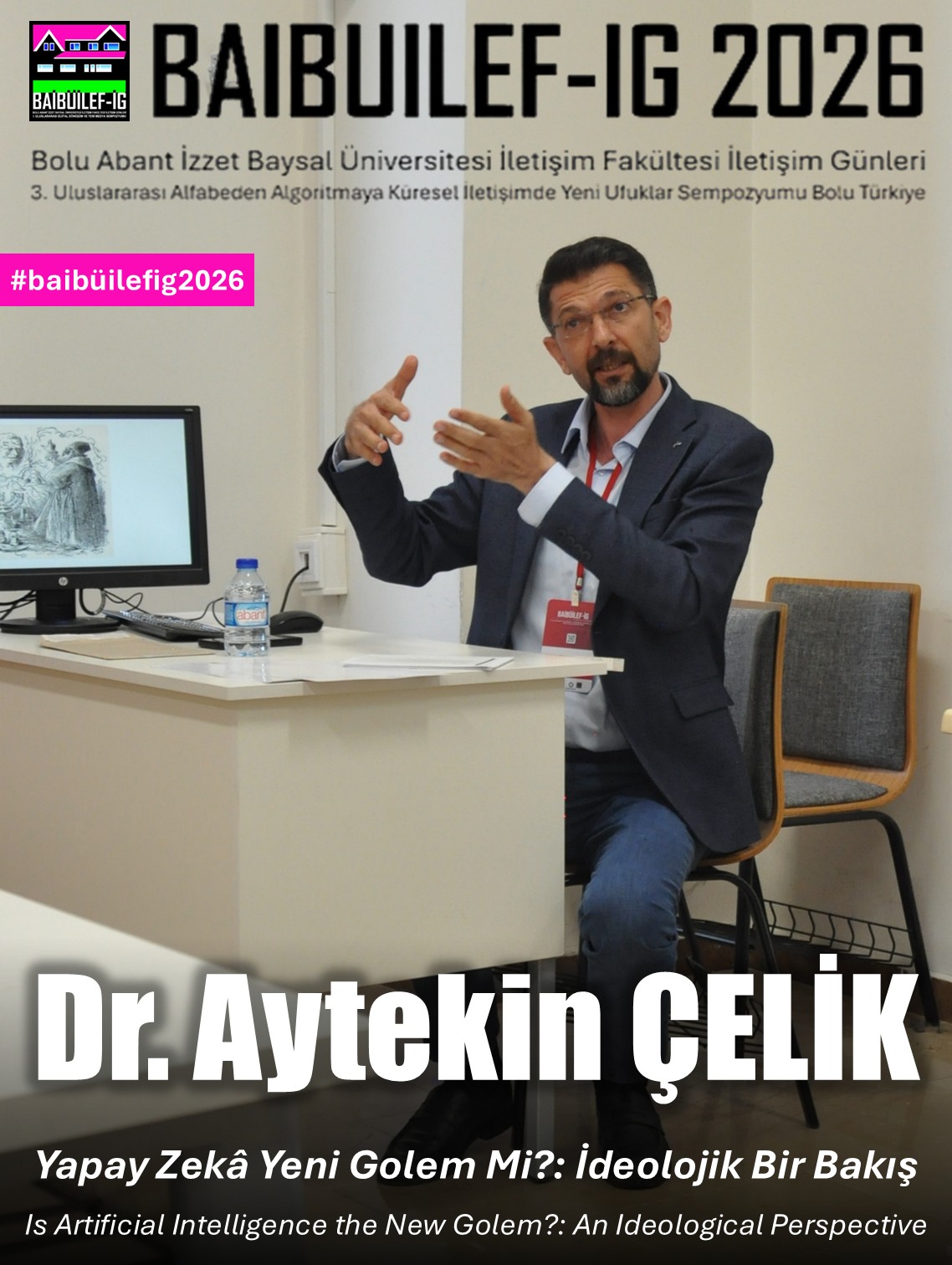
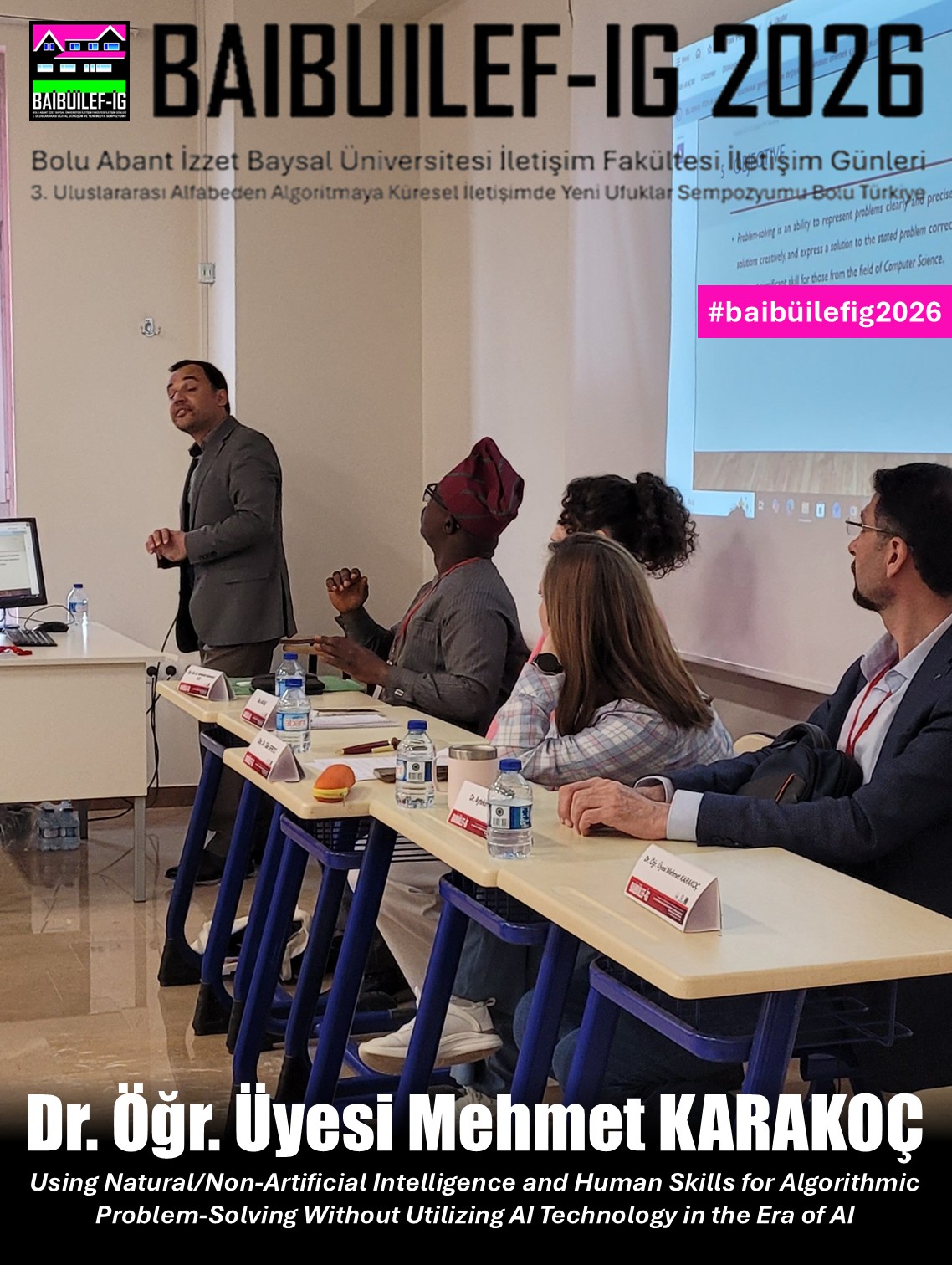
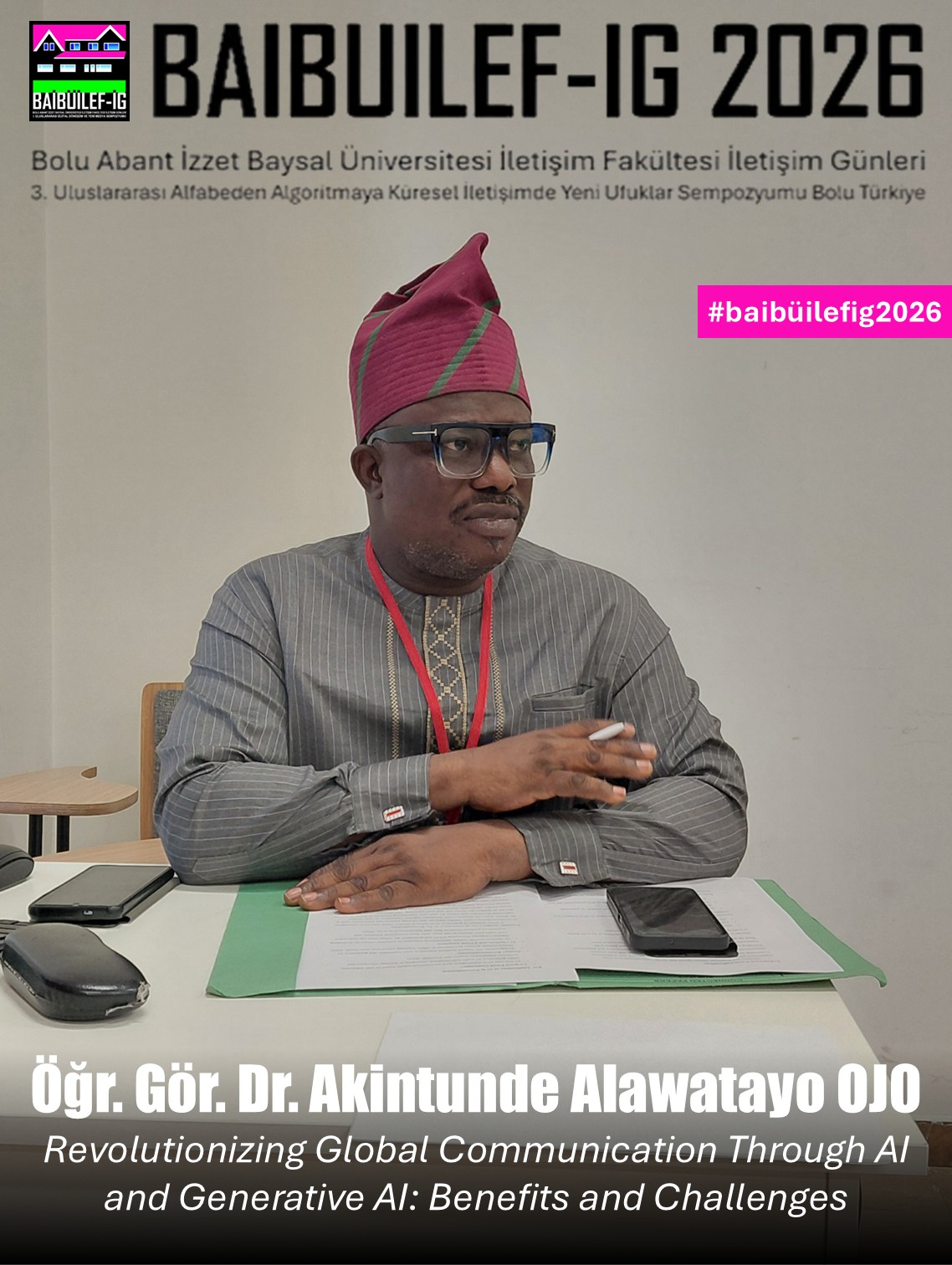
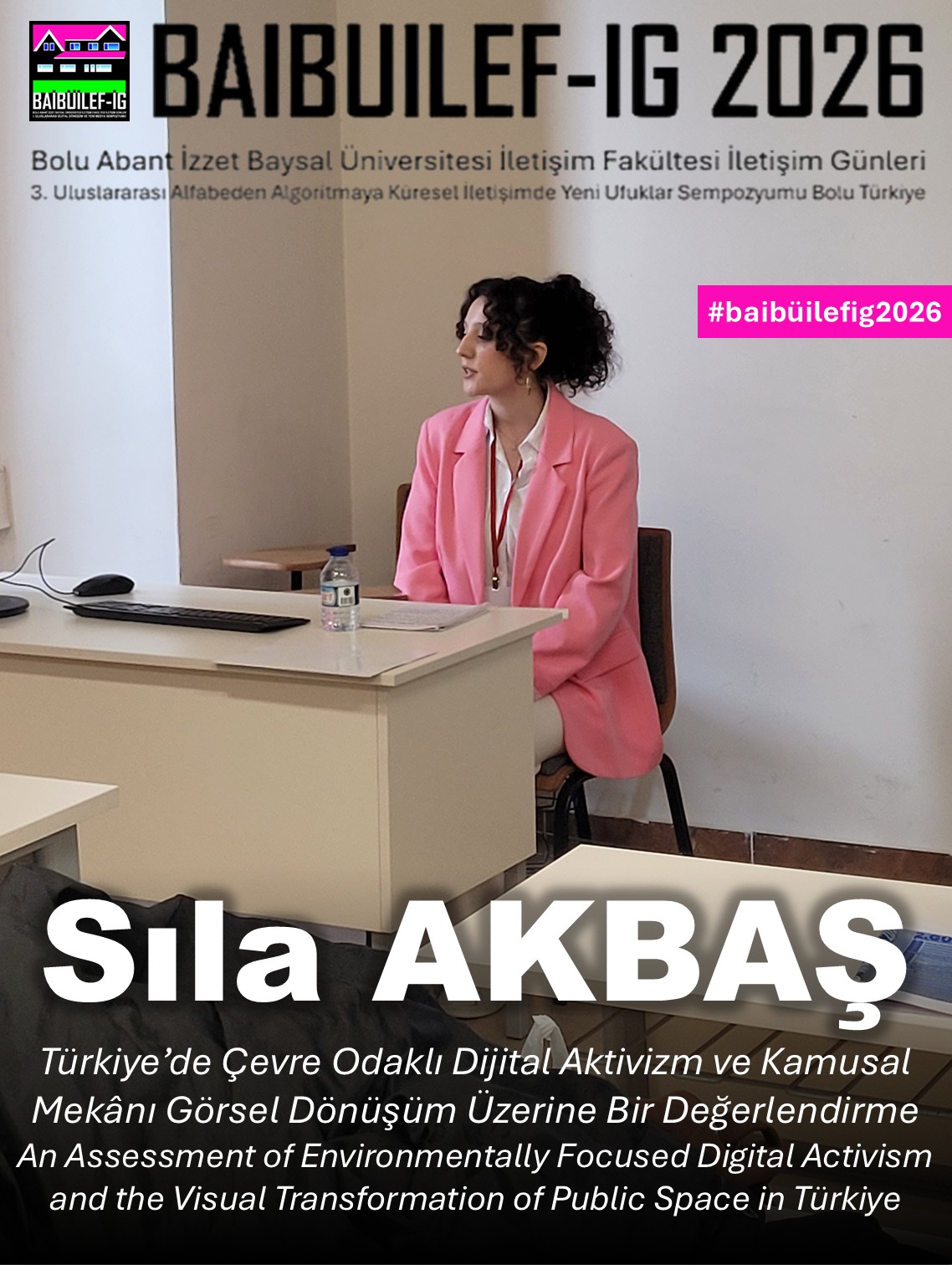
The opening speech of the session, titled "New Approaches in Digital Culture and Artificial Intelligence," was given by Dr. Aytekin Çelik presented an ideological perspective on artificial intelligence, using the metaphor of a "new Golem." Following this, Dr. Mehmet Karakoç shared a presentation highlighting the importance of non-artificial intelligence and human skills in algorithm-based problem-solving in the age of artificial intelligence. In the session, which also saw international participation, Lecturer Dr. Akintunde Oluwatayo Ojo discussed the revolutionary impact of generative artificial intelligence on global communication, along with its advantages and challenges. İlham Samandarov addressed the future of digital culture through interdisciplinary collaboration, while Sıla Akbaş added a local and contemporary dimension to the session with her assessment of environmentally focused digital activism and the visual transformation of public spaces in Turkey.
The three-day symposium will conclude tomorrow with closing sessions. The event is expected to provide significant academic outputs for understanding the digital transformation in global communication processes.